
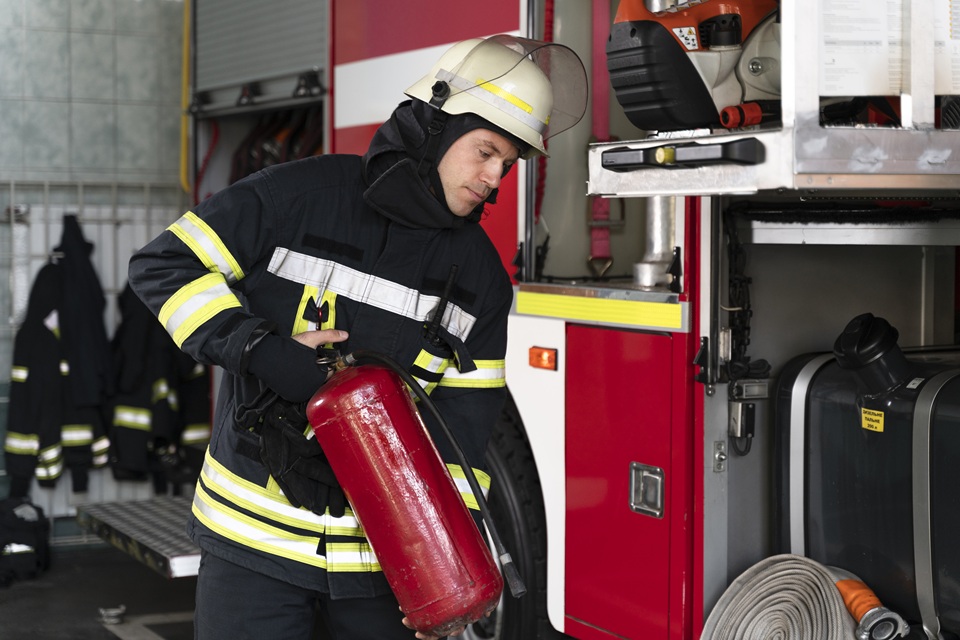
Introduction To Fire Inspector Training
Fire inspectors play a critical role in the safety infrastructure of our society. They are at the frontline of safeguarding lives and protecting property by ensuring that both public and private buildings comply with the latest fire safety codes. Their keen eye for identifying potential hazards can be the difference between preventing tragedies and responding to disasters. Gaining the right expertise through focused fire inspector training not only builds valuable technical skills but also gives you a competitive advantage for career growth in this high-demand field. Such training programs teach the foundations of fire prevention, risk assessment, and emergency preparedness, equipping candidates with both theoretical knowledge and practical abilities.
As communities continue to expand and new construction projects emerge, the demand for well-trained fire inspectors becomes increasingly pressing. Building codes regularly evolve to address new risks and emerging technologies, requiring fire safety professionals to continually update their expertise. Investing in professional training is not just a stepping stone toward entering this rewarding field—it’s an ongoing commitment to maintaining public safety standards. Structured fire inspector training encompasses a comprehensive range of topics, including code interpretation, fire dynamics, and legal regulations, as well as conducting thorough on-site inspections. This robust education not only supports new candidates but also helps experienced inspectors stay ahead in a changing industry, ultimately making you an effective and trusted safety professional capable of tackling today’s complex safety challenges.
Educational Pathways & Certifications
Most entry-level fire inspector roles require only a high school diploma or a GED, but advancing in the field often depends on higher education in areas such as fire science or emergency management. These academic paths provide a deeper understanding of fire behavior, safety systems, and response strategies. According to FireScience.org, pursuing relevant education and training is key to long-term success in the profession. In addition to formal education, professional certifications are essential—credentials such as the Certified Fire Inspector (CFI-I) from the NFPA greatly enhance job prospects and credibility. Many jurisdictions even mandate such certifications for career progression. Overall, maintaining up-to-date certifications demonstrates a commitment to professional growth and ensures that inspectors stay informed about evolving technologies and safety regulations.
Gaining Practical Experience
While learning theory and codes in a classroom setting is undeniably important, hands-on, practical experience is what truly builds the confidence and adaptability needed in the field. Most fire inspectors launch their careers in entry-level roles, frequently working under the direct supervision of more experienced professionals. Through these early positions, you’ll master how to identify fire hazards, enforce codes, review building plans for compliance, and effectively communicate your findings to building owners, occupants, and local officials. These formative experiences help solidify your knowledge, enabling you to translate classroom lessons into real-world solutions.
Mentorship programs, internships, and structured on-the-job training play a pivotal role in this phase of career development. Learning directly from veteran fire inspectors enables you to acquire specialized knowledge and practical troubleshooting strategies. The relationships formed through these mentorship opportunities can be invaluable for career progression, as experienced colleagues often become lifelong mentors or important professional contacts.
Specialization Opportunities
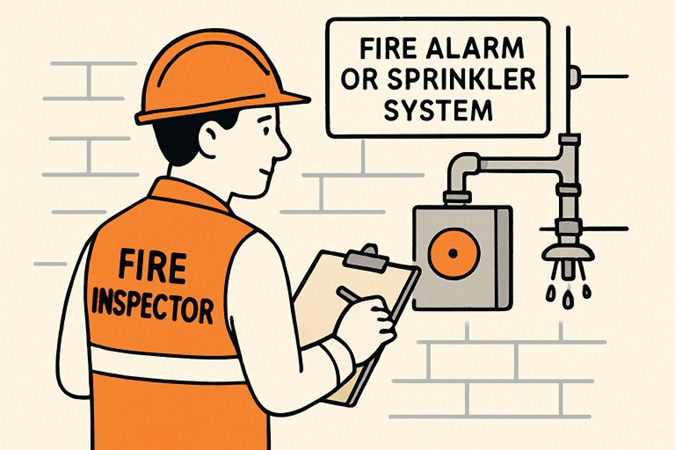
Fire inspection is not a one-size-fits-all profession. Over time, inspectors can choose to specialize in complex or high-risk areas that require in-depth knowledge and expertise. Some may focus on hazardous materials management, ensuring the safe storage, handling, and disposal of chemicals. Others may become experts in fire protection systems, such as fire alarms, smoke control equipment, or fire sprinkler systems—areas of ever-increasing technical sophistication. Specializing not only enhances your value to employers but also positions you as a go-to resource for consulting projects or training other inspectors. Your advanced qualifications can lead to roles in large-scale commercial inspections or specialized industries, such as petrochemicals, healthcare, or aviation, where fire risk is a pervasive concern.
Staying abreast of technical advances is vital for those interested in specialization. Industry publications offer up-to-date coverage of emerging fire safety trends, new technologies, and best practices. Regularly engaging with these resources is essential to deepen your expertise and maintain your status as a subject matter expert, ensuring your career trajectory continues to ascend within your preferred niche.
Leadership & Management Roles
With a strong foundation in both education and field experience, experienced fire inspectors have the opportunity to advance into leadership and management positions. Examples of these roles include fire marshal, deputy fire chief, or division head within a municipal safety department. These leadership positions involve far more than just conducting inspections—they require overseeing inspection teams, coordinating fire code enforcement efforts, developing policies, and managing budgets. Leaders in fire safety are often tasked with drafting and implementing new safety regulations, representing their department in interagency meetings, and collaborating closely with emergency response teams and municipal leaders to prepare for and respond to crises.
Successful managers often possess a unique blend of technical proficiency, organizational acumen, and strong communication skills. Besides managing programs and personnel, they often play a direct role in community education and public outreach. In many organizations, experienced inspectors assume the additional responsibility of training, guiding, and mentoring new hires, thereby directly shaping the next generation of fire safety professionals. By sharing your expertise and fostering a culture of learning, you help maintain and raise the standards of fire safety both within your department and in the community you serve.
Continuous Learning & Professional Development
The fire safety field is dynamic, with new threats, building materials, and construction methodologies constantly emerging. For this reason, staying ahead of the curve demands a commitment to lifelong learning. Continuing education through certifications, industry workshops, and online webinars helps fire inspectors keep up with the latest safety codes and best practices. Attending annual industry conferences facilitates networking with other professionals and provides an opportunity to learn directly from experts about new products, regulatory trends, and field innovations.
Organizations offer updated certifications and specialized training programs, providing inspectors with opportunities to refresh their skills and embrace new challenges. Being proactive about your professional development not only keeps your knowledge current but also highlights your dedication to excellence—a trait valued by supervisors and hiring managers when considering candidates for promotions or advanced assignments.
Networking & Community Engagement
Professional networking can be a powerful accelerator for career growth in fire inspection. Developing meaningful relationships with colleagues, contractors, building engineers, and key community stakeholders opens up avenues for mentorship, collaboration, and even job offers or project leads. Active participation in professional associations, such as presenting at conferences or sharing expertise in online forums, can help solidify your reputation and open doors to new opportunities. Effective networking also allows inspectors to stay informed about job openings, best practices, and innovations happening across the field. Engagement isn’t limited just to professional circles—active involvement with local communities is also crucial. Public education sessions, safety campaigns, and partnerships with community leaders raise awareness of fire safety standards.
Conclusion
Investing in fire inspector training is a wise and strategic move for anyone serious about advancing their career while making a tangible, positive impact on public safety. Whether you’re new to fire safety or a seasoned professional aiming for leadership, comprehensive education and robust field experience provide the foundation for lifelong career advancement. By pursuing recognized certifications, engaging in continuous learning, and participating in the broader professional community, you position yourself as a leader and innovator in fire prevention and safety management. These efforts not only empower your professional growth but also help protect the well-being of your community—cementing your legacy as a dedicated guardian of public safety.